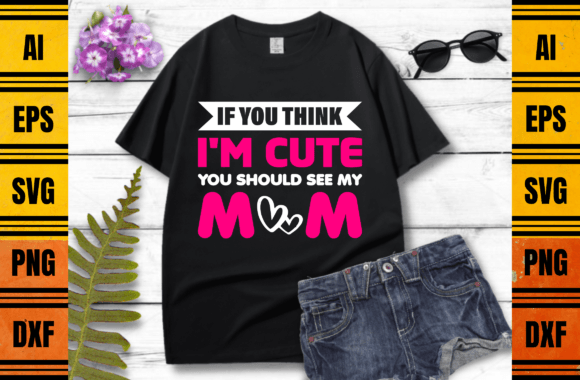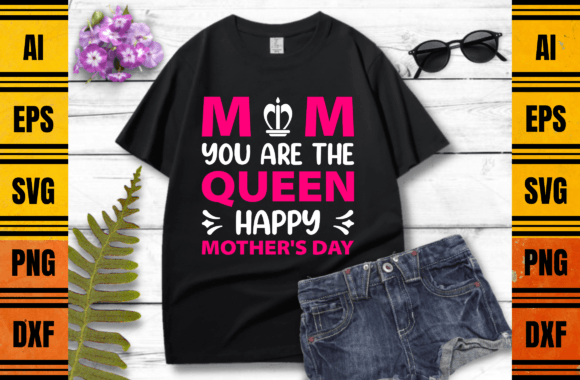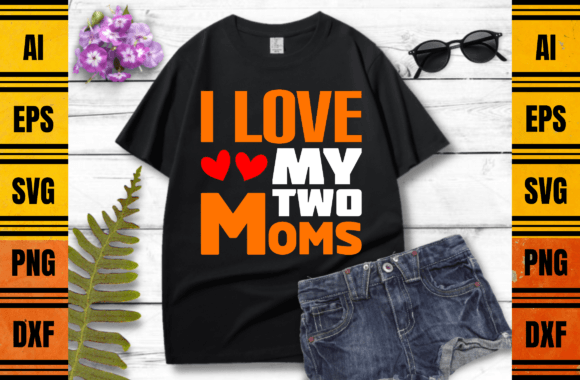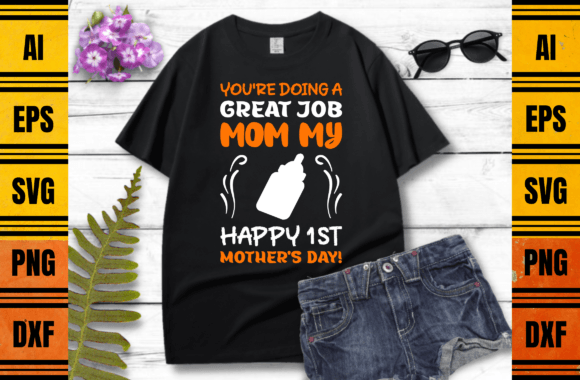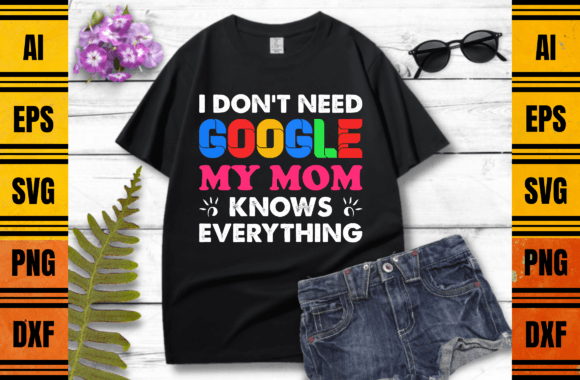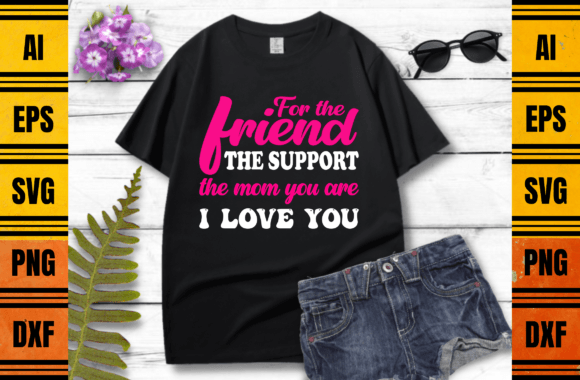
The Mom T-shirt Design
First Impressions: Warm, Simple, and Immediately Recognizable
When I opened The Mom T-shirt Design, my first thought wasn’t about stitch count or file format—it was about feeling. It’s a gentle, heartfelt composition: clean lettering, soft curves, and a quiet confidence in its message. No over-the-top flourishes, no distracting icons—just “I love you Mom” arranged with breathing room and visual warmth. That simplicity is its strength—and its warning. As an embroidery designer who’s stitched hundreds of mother-themed pieces for boutique clients and Etsy shops, I know how easily sentiment can slip into cliché. This design avoids that. It reads like something handwritten on a coffee-stained napkin—not generic clip art. That authenticity makes it ideal for handmade products where emotional resonance matters more than flash.
A Real-World Test: Embroidering It on a Linen Kitchen Towel
Last week, I used The Mom T-shirt Design to embroider a set of linen tea towels for a local gift shop’s Mother’s Day collection. Why linen? Because it’s unforgiving—loose weave, minimal stretch, and zero tolerance for sloppy satin stitch edges or dense fill areas that pucker. The design held up beautifully. Its moderate width and open letter spacing gave the stitches room to breathe. I ran it in a 4×4 hoop with medium-weight cutaway stabilizer and standard 40-weight rayon thread. No skipped stitches. No thread breaks. Most importantly, the finished towel looked intentional—not like a rushed add-on, but like a considered detail. Customers noticed. One buyer told me she bought three because “it felt like something my mom would actually hang in her kitchen.” That’s the real metric: does it land as sincere, not stock?
Where It Shines—and Where It Needs Careful Handling
The Mom T-shirt Design excels in projects where legibility and emotional clarity matter most:
- Custom apparel: Works cleanly on crewneck tees, lightweight sweatshirts, and relaxed-fit totes—especially when placed left-chest or centered on the back.
- Baby embroidery: Perfect for onesies or burp cloths, provided you reduce size slightly and confirm letter height stays above 0.3 inches for readability after stitching.
- Embroidered patch: Translates well to iron-on or sew-on patches for aprons, backpacks, or denim jackets—its balanced weight prevents curling at the edges.
- Holiday embroidery: Fits naturally into Mother’s Day bundles, baby showers, and “first Mother’s Day” keepsakes without needing seasonal embellishment.
But don’t assume it’s plug-and-play everywhere. Use caution with:
- Curved surfaces: Caps or beanies require re-digitizing or significant scaling down—original layout assumes flat fabric.
- Textured fabrics: Heavy terry cloth or bouclé may obscure subtle line weight; consider boldening outlines in your editing software if needed.
- Dark or stretchy fabric: Always test thread color contrast on your final substrate. A light gray thread that reads perfectly on white cotton can vanish on navy heather.
- Tiny hoop sizes: Below 3×3, the lettering starts losing definition—avoid using it full-size in a 2.5×2.5 hoop unless you’re willing to simplify strokes manually.
Design Integrity Meets Commercial Reality
As a craft business owner, I look beyond aesthetics—I ask: does this design support trust, value, and repeat sales? The Mom T-shirt Design does. Its restrained styling signals craftsmanship, not mass production. When stitched on a premium cotton tote or organic cotton sweatshirt, it elevates the entire finished product. Buyers don’t see “digital embroidery file”—they see care. That perception directly impacts pricing power and customer loyalty.
That said, its strength is also its limitation. It’s not built for versatility across categories. Don’t try to force it onto a complex applique design or layer it over busy prints—it’s meant to stand alone. And while it works beautifully as a machine embroidery design, it’s not optimized for print templates or graphics-heavy mockups without minor vector cleanup (those tiny serifs may need thickening for crisp PDF previews).
Practical Notes Every Embroidery Designer Should Check
Before cutting fabric or loading your machine:
- Test The Mom T-shirt Design on scrap fabric matching your final project’s weight and texture.
- Review stitch density—look for tight clusters in curved letters (“o”, “e”) that could cause puckering on lightweight knits.
- Confirm hoop size compatibility—don’t assume it fits your smallest hoop without measuring.
- Inspect small details: Are inner counters (like the center of “a” or “e”) clear at your intended size? Zoom in digitally before stitching.
- Try black-and-white mockups—this design relies on contrast, not color, so grayscale previews reveal clarity issues fast.
- Check licensing: Since it’s sold as a digital embroidery file for personal and family use, verify whether commercial embroidery or resale of finished items is permitted before listing on Etsy or in your small shop.
- Use appropriate stabilizer—lightweight cutaway for knits, tear-away for stable wovens, and avoid heat-away unless you’ve tested wash durability.
Final Thought: A Quiet Design With Real Weight
The Mom T-shirt Design isn’t flashy—but then, motherhood rarely is. It’s steady. It’s warm. It’s designed to be stitched, gifted, worn, and lived in. Whether you’re a solo crafter prepping for a craft fair, an Etsy seller building a Mother’s Day collection, or a small shop owner curating meaningful merchandise, this design earns its place in your library of trusted design assets. Just remember: its quiet power only comes through when treated with intention—from stabilizer choice to thread selection to placement. Stitch it right, and it won’t just say “I love you Mom.” It’ll feel like it means it.